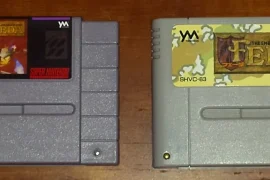
In the ever-evolving world of retro gaming, repro cartridges, short for reproduction cartridges, have sparked a lot of debate. They’ve flooded the market in recent years, offering playable versions of rare or unreleased games at a fraction of the cost of originals. But for collectors like me who care about long-term value, authenticity, and preserving gaming history, there’s always a lingering question: are repro cartridges worth collecting?
The answer isn’t as straightforward as yes or no. Repros come in all shapes, levels of quality, and intentions. Some are beautifully made fan projects that breathe life into lost games. Others are low-effort counterfeits that can fool unsuspecting buyers. Whether or not they deserve space on your shelf depends on what kind of collector you are, and what your goals are.
In this article, I’ll walk through my experience with repros, the pros and cons of owning them, the ethical gray areas, and why I think the answer to are repro cartridges worth collecting depends entirely on what you’re looking to get out of your retro gaming hobby.
What Exactly Is a Repro Cartridge?
Before diving into whether they’re worth collecting, it helps to know what a repro cartridge actually is. A reproduction cartridge is typically a newly manufactured or modified cartridge that plays a game originally released on older hardware like the NES, SNES, Genesis, or Game Boy. Repros are usually one of the following:
- Fan translations of Japan-only releases
- Unreleased prototypes or betas
- Hacks or homebrew creations
- Clones of extremely rare games
- Replicas meant to deceive or replace originals
They look like the real thing at first glance, sometimes even sporting professionally printed labels and shells. But the internals may be built using modern components, and unlike original cartridges, they weren’t produced or approved by the game’s publisher.
So, are repro cartridges worth collecting? That depends on what you value more, playability or authenticity.
The Pros of Repro Cartridges
There are definitely reasons to include repros in a retro gaming collection, especially if you’re more focused on playing games than reselling or displaying them as authentic historical artifacts.
Access to Rare and Expensive Titles
One of the biggest draws for me has been the ability to play rare games that are simply out of reach. Take Little Samson on the NES or EarthBound for SNES. Original cartridges can cost hundreds or even thousands of dollars. Repros allow me to experience these games on real hardware without destroying my wallet.
For players who want to enjoy the full retro experience, including CRT TVs and classic controllers, repros are a game-changer. If you ask me whether are repro cartridges worth collecting from a playability standpoint, the answer is often yes.
Localized and Translated Games
There’s a whole world of games that never made it out of Japan. Titles like Seiken Densetsu 3 (now known as Trials of Mana) or Mother 3 have passionate followings, but for years, they were unplayable unless you knew Japanese or used emulators.
Repro cartridges loaded with fan translations bring those games to life on original hardware. I’ve collected several of these, and even though they’re not official, they feel like they belong on the shelf. For fans of obscure titles, repros are often the only viable physical option.
Custom and Homebrew Games
The indie dev community has embraced classic consoles with open arms. I’ve come across incredible homebrew games for NES, SNES, and Genesis that were never part of the original libraries but feel completely authentic. Games like Micro Mages or D-Pad Hero are fun, challenging, and built from scratch for retro hardware.
In these cases, asking are repro cartridges worth collecting is more like asking if indie games are worth owning. The answer is yes, especially when they’re done well and respect the source material.
The Cons of Repro Cartridges
While repros have their charm, there are also clear downsides that every collector should consider before going all-in.
No Investment Value
If your collection is part hobby, part investment, repros will not help you. Most reproduction cartridges hold little to no resale value. They’re mass-produced, often unlicensed, and many lack the uniqueness that makes authentic games collectible.
Even beautifully made repros rarely appreciate in value. So when thinking about are repro cartridges worth collecting from a financial standpoint, I’d have to say no. They’re fun, they’re functional, but they’re not assets.
Confusion and Counterfeits
One of my biggest issues with repros is that some sellers don’t clearly label them as reproductions. I’ve seen listings on auction sites that try to pass off repros as originals, especially for high-value games. Some even mimic aging, apply fake wear to the labels, or replicate original boxes and manuals.
This makes it hard for collectors, especially newcomers, to know what they’re buying. I’ve personally bought a few games early on that I thought were genuine, only to realize later they were modern fakes. That kind of experience can make anyone skeptical.
If you’re in this hobby to collect original history, you might quickly find that repros muddy the waters too much to be worth it.
Quality Concerns
Repro cartridges vary wildly in quality. Some use cheap boards and low-end shells that are prone to breaking or failing over time. Others might have compatibility issues with certain consoles or flash bugs during gameplay.
I’ve had repros crash mid-game, show garbled graphics, or refuse to boot up on original hardware. That’s a far cry from the rock-solid reliability of official Nintendo, Sega, or Sony cartridges. If you value performance and quality, repros can be a gamble.
Collecting Repros the Right Way
Even with the issues, I’ve found that collecting repros can be rewarding, if you go in with clear expectations and buy from reputable sources. I only collect repros for games that are:
- Unreleased or fan-translated
- Too expensive to justify buying an original
- Unique homebrew experiences
- Clearly marked and sold as reproductions
I store them in a separate section from my official carts. That way, I can enjoy them without mixing them into my authentic collection. I also keep notes in my digital catalog that clearly identify which games are repros and which are real.
This system lets me enjoy the playability and artistry of repros without undermining the integrity of the rest of my collection.
Community Perception
One of the big questions tied to are repro cartridges worth collecting is how they’re viewed in the broader retro gaming community. Opinions vary wildly.
Some purists believe repros have no place at all and consider them nothing more than bootlegs. Others, especially those focused on gameplay, embrace them as an affordable, accessible way to keep old games alive.
I’ve found that most of the negative perception comes from dishonest sellers, not the cartridges themselves. If repros are sold transparently and used responsibly, many collectors see them as a legitimate part of the hobby.
Legal and Ethical Considerations
There’s also the ethical side of the repro debate. While fan translations and homebrews are generally celebrated, selling exact replicas of licensed games often violates intellectual property laws.
I stay away from repros that copy existing IPs without any added value. If someone makes a direct clone of Chrono Trigger and sells it with the same box and label art, that crosses a line for me. But if they translate a Japanese-only game or create a new one from scratch, I’m more inclined to support it.
The legality is murky, and laws vary by country, but it’s important to be aware of what you’re supporting. You don’t want to find yourself unintentionally funding piracy or IP theft.
How to Spot a Repro Cartridge
If you’re shopping for retro games and want to avoid being fooled, learning how to spot repros is critical. Here are a few tips I’ve picked up over time:
- Check the label quality: Original labels are printed with fine detail and often have texture. Repros may have blurry or glossy labels.
- Look at the screws: Repros often use modern Phillips-head screws instead of the security bits used by original carts.
- Inspect the board: If possible, open the cart. Original boards are usually marked with the console maker’s logo and year.
- Compare weight and shell plastic: Repros sometimes use lighter plastic or have subtle molding differences.
- Research the seller: Check reviews and forums. Sellers with a history of transparency are far less likely to mislead.
By staying vigilant, you can avoid accidentally mixing repros into your authentic collection.
Displaying and Storing Repros
If you do decide to collect repros, treat them with the same care you give your licensed games. I keep mine in protective sleeves or custom-labeled cases, often using different colors to distinguish them visually. That makes it easy to grab a repro for casual play without mixing it in with my high-value stuff.
Some collectors go all-in with custom boxes, inserts, and shelf art for repros. Others go minimalist and keep them in plastic bins or drawers. There’s no right or wrong way, it depends on how much shelf appeal matters to you.
For me, repros that look good and function well earn a visible spot in the collection. The rest stay stored safely for occasional play sessions.
Final Thoughts
So, are repro cartridges worth collecting? For me, the answer is a nuanced yes. They’re not investment pieces. They won’t impress purists. But they absolutely serve a purpose. Repros give access to rare titles, preserve gaming history through fan translations, and let homebrew creators showcase their talent.
I’ve come to appreciate them for what they are: a bridge between the unreachable past and the playable present. That doesn’t mean I treat them like originals, and I’ll always prioritize authentic games when possible. But when used ethically and labeled clearly, repros deserve a place, if not in every collection, then at least in the conversation.
Whether you’re building a shelf full of mint CIB treasures or a library of playable titles for regular use, repros have their niche. You just need to decide where they fit in yours. And that’s ultimately the heart of the question: are repro cartridges worth collecting? Only if they add value, to your gameplay, your shelf, or your personal connection to gaming’s rich history.