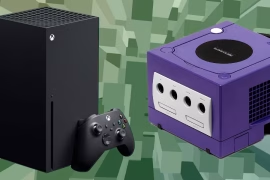
The Nintendo GameCube remains one of the most iconic consoles of the early 2000s. With its cube-shaped design, unique handle, and compact discs, it stood out in a generation dominated by the PlayStation 2 and Xbox. What many people don’t realize is just how many versions and color variants of the GameCube exist. As a dedicated retro gamer and collector, I’ve spent years hunting down the rare, the obscure, and the region-exclusive models. This complete guide to GameCube console variants is my way of sharing everything I’ve learned along the way.
From standard retail releases to promotional editions and developer units, the GameCube saw a surprisingly diverse lineup during its lifetime. Whether you’re a collector, reseller, or just a fan curious about what’s out there, this guide covers the known models, their unique traits, and what makes them collectible.
Standard Retail Colors
Nintendo launched the GameCube with a handful of standard colors that most fans will recognize. These versions were widely available in stores during the console’s retail lifespan and remain the most common variants found in today’s secondhand market.
Indigo
The most recognizable color and the one featured in most marketing materials. The Indigo GameCube screams early 2000s Nintendo energy. It was the flagship color during launch and came bundled with matching Indigo controllers. I still think it’s the purest representation of the system’s aesthetic.
Jet Black
The Jet Black model was designed for those who wanted a more subdued and sleek look. While not as eye-catching as Indigo, it appealed to a broader audience, especially older gamers or those who wanted the console to blend into entertainment setups. It became one of the best-selling variants.
Platinum Silver
Released about a year after launch, the Platinum Silver GameCube aimed for a more modern and tech-inspired appearance. This color became particularly popular during the later years of the system’s life and was featured in several bundles, including the Mario Kart: Double Dash!! set. The finish is prone to scuffing, so finding one in pristine condition today takes some effort.
Spice Orange
A fan favorite in Japan, the Spice Orange GameCube had a vibrant, pumpkin-like hue. It was available in select Asian markets and was only released in very limited quantities in North America through special promotional channels. I managed to import one a few years ago, and it remains one of the most unique-looking consoles in my collection.
These four primary retail variants form the foundation of any complete guide to GameCube console variants. While they’re common, they’re still highly collectible when complete with original boxes, manuals, and matching controllers.
Region-Specific and Limited Editions
The GameCube had a wide global release, and with it came several region-exclusive colors and editions that never made it to every territory. Some of these models are highly sought after and represent the more exotic end of the collecting spectrum.
Panasonic Q
One of the most fascinating entries in the complete guide to GameCube console variants is the Panasonic Q. Released exclusively in Japan, this hybrid system combined a GameCube with a DVD player, a feature the original console lacked. Housed in a stainless steel body with a front-loading disc tray, it was stylish and ahead of its time. The unit came with a unique Panasonic-branded controller and digital outputs. Due to its high price and niche appeal, it didn’t sell well, making it rare and valuable today.
Starlight Gold
This limited edition console was released only in Japan through Club Nintendo. Its soft gold color sets it apart from the typical silver and black units. Getting one of these today usually requires importing and paying a premium, especially for boxed models.
Tales of Symphonia Edition
Another Japanese exclusive, this white GameCube was bundled with Tales of Symphonia and featured a matching white controller. Unlike many other variants, this one had limited branding or logos on the console itself, which adds to its sleek appearance. It’s one of the few white GameCube variants and is considered a must-have by fans of the RPG.
Gundam Char’s Custom Edition
Fans of Mobile Suit Gundam might be familiar with this red and black themed GameCube, released as a special collaboration in Japan. It came bundled with matching accessories and even included Gundam-themed memory cards. Very few were produced, and the ones that pop up for sale today often sell quickly at high prices.
These rare editions expand the scope of any complete guide to GameCube console variants and add an international flair to a collector’s shelf. If you’re serious about collecting, keeping an eye on Japanese auctions and retro import shops is a smart move.
Special Bundles and Promotional Models
Nintendo has always loved a good bundle or promotional release, and the GameCube era was no exception. While these models didn’t always feature drastically different hardware colors, their unique packaging and included items make them noteworthy.
Mario Kart: Double Dash!! Bundle
This bundle featured a standard Platinum GameCube but included a second controller and a copy of Mario Kart: Double Dash!!. The box art alone makes this edition a collectible item. I was lucky enough to snag one still sealed, and it remains one of my favorite display pieces.
Pokémon XD: Gale of Darkness Bundle
This bundle came with a black GameCube and a Pokémon XD branded memory card. While the console itself wasn’t unique in terms of color, the packaging and exclusive content inside made it special.
Resident Evil 4 Bundle
This one included a Platinum GameCube and a copy of Resident Evil 4. Again, the console itself wasn’t different, but the significance lies in the packaging and the game, which was a major exclusive at the time.
These bundles are essential entries in any complete guide to GameCube console variants, even if they don’t feature visually unique hardware. They reflect Nintendo’s strategy during the sixth console generation and the partnerships they built around key franchises.
Development and Debug Units
For the hardcore collectors and preservationists, development kits and debug units represent the rarest corner of GameCube history. These consoles were never sold to the public and were instead used by developers and internal Nintendo teams.
NR Reader (Nintendo Revolution Reader)
The NR Reader is a development console designed to play NR discs, which were special GameCube discs used for testing and review. These units are easy to spot thanks to their bright blue shells and serial ports. Most NR Readers were region-locked and required development hardware to function fully. They usually don’t play retail discs, which limits their use to collectors or historians.
NPDP Units
Used internally at Nintendo and some partner studios, NPDP (Nintendo Product Development Processor) units looked like ordinary GameCubes but had special hardware installed for game testing. These are rarely seen in the wild and often come with tamper-evident stickers or notes identifying the studio that used them.
Including these obscure models in a complete guide to GameCube console variants adds depth and showcases the behind-the-scenes evolution of the system’s software library. If you ever get a chance to see one up close, take it, it’s a unique piece of gaming history.
Modded and Custom Consoles
While not official releases, the world of custom GameCube consoles is worth mentioning. Enthusiasts and modders have created countless personalized units over the years, often painting shells, installing LEDs, or adding hardware mods like HDMI output and SD card loaders.
Some of the most impressive units I’ve seen feature airbrushed artwork from Zelda or Metroid, transparent shells, or functional upgrades that make the console more convenient to use on modern displays. Though these consoles aren’t part of the original manufacturing run, they show the passion the GameCube community still has.
Modded consoles aren’t usually included in formal lists, but no complete guide to GameCube console variants would be whole without acknowledging their presence. They blend utility and creativity, and for some collectors, they’re more desirable than official units.
Controllers and Accessories by Color
No discussion of GameCube variants is complete without touching on the matching accessories. Nintendo released controllers in every color to match the console lineup, along with several standalone colors like Emerald Blue, Transparent Crystal, and WaveBird Gray. Some were sold only in Japan, and others came exclusively with bundles.
Collecting matching accessories is a rabbit hole of its own, but it adds tremendous value to a console when everything matches. I’ve found that boxed, matching controller sets increase resale value significantly and look much better in displays.
Display Tips and Preservation
With so many GameCube variants out there, keeping them in good condition is important. I store mine in UV-protected acrylic boxes to avoid fading and dust exposure. Original boxes and inserts are essential if you’re looking to maintain long-term value.
Consoles should be powered on occasionally to keep internal components in good shape, especially the clock capacitor in later units. I also use HDMI adapters for casual play and store original cables safely to avoid wear.
Maintaining your collection is just as rewarding as hunting for new variants. Every console has a story, and keeping it in top shape honors its place in gaming history.
Final Thoughts
The GameCube may not have dominated the console wars of its time, but its legacy has only grown stronger. Its design, game library, and unique variants continue to attract collectors and players alike. Whether you’re just starting your journey or already deep into the hobby, I hope this complete guide to GameCube console variants helps you identify what’s out there and inspires you to keep building your collection.
From the classic Indigo unit to rare Japanese exclusives and developer models, the GameCube has a surprisingly rich variety that makes collecting a true adventure. This console may have been small in size, but the legacy it left behind is massive. With the right knowledge, a bit of patience, and an eye for detail, finding and preserving GameCube variants can be one of the most rewarding parts of retro gaming today.