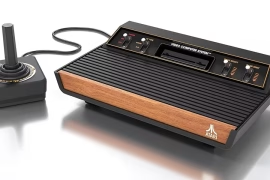
Tracking down a working Atari 2600 in 2025 can feel like stepping into a time machine, hunting for a relic from the dawn of home gaming. The iconic wood-grain finish, the satisfying click of the switches, and those chunky cartridges still spark nostalgia. The Atari 2600 isn’t just a piece of gaming history, it’s where the home console revolution truly began. Getting your hands on one that’s functional and authentic can be a rewarding experience if you know where to look and what to watch out for.
I’ve been collecting and restoring vintage consoles for years, and the Atari 2600 remains one of my favorite systems to seek out. With the right approach, finding a solid, working model isn’t as hard as it used to be. Whether you’re looking to relive the glory days of Pitfall! or show your kids what gaming looked like before polygons, this guide covers where to buy a working Atari 2600 and how to ensure you’re getting your money’s worth.
Types of Atari 2600 Models to Look For
Before diving into sources, it’s helpful to know what you’re actually looking for. The Atari 2600 came in several iterations, and while all play the same games, they differ in appearance, rarity, and sometimes durability.
The original “Heavy Sixer,” released in 1977, is the holy grail for collectors. It has six switches on the front and a solid metal internal shield that gives it some weight. This model was made in Sunnyvale, California, and is known for being extremely durable. It’s not the easiest to find in pristine working order, but it’s the most iconic version by far.
Later models, like the “Light Sixer,” “Four Switch,” and the smaller “Darth Vader” black edition, are more common but still excellent systems. There’s also the Atari 2600 Jr., a streamlined version released in the mid-1980s. It has a more modern look and can often be found in better condition simply because it was manufactured later.
When searching for where to buy a working Atari 2600, keep these variations in mind. Some models fetch higher prices, while others offer better value for those simply looking to play games.
Online Marketplaces
The most obvious place to begin your hunt is online. eBay, Etsy, and specialty retro game shops with web storefronts offer a wide selection of Atari consoles. I’ve bought multiple systems online and had good experiences, but it’s essential to be cautious and read between the lines.
eBay
eBay is one of the best places to find a working Atari 2600. The sheer volume of listings gives you options across all price points. Look for sellers with high ratings and detailed descriptions. If a console is listed as “tested” or “working,” it should include specifics like what was tested (video output, game loading, controller response). Bonus points if the listing has pictures of the unit running a game.
The best eBay sellers provide returns or guarantees, which gives peace of mind. I always reach out to ask a couple of questions, how it was tested, what cables are included, and whether the cartridge slot has been cleaned.
Etsy
While it’s more known for crafts and vintage decor, Etsy has a surprising number of Atari 2600 listings. Many sellers restore and clean the units before shipping. You’ll sometimes pay a premium here, but the attention to presentation and packaging is often higher. I’ve picked up a couple of nicely restored consoles this way, complete with custom boxes or wood polish touch-ups.
Dedicated Retro Game Stores
Sites like DKOldies, Lukie Games, or JJGames also offer Atari 2600 consoles. These stores often refurbish systems, replacing internal components like capacitors or upgrading video output for modern TVs. While the prices are higher, you’re paying for tested reliability.
If you want less risk and a fully functional, plug-and-play experience, these online retro shops are a reliable source when asking where to buy a working Atari 2600.
Local Finds: Thrift Stores, Flea Markets, and Garage Sales
For those who love the thrill of the hunt, local sources still offer surprises. I’ve scored great deals and rare finds by combing through flea markets and swap meets. The key is persistence and a little luck.
Thrift Stores
Chains like Goodwill and Salvation Army occasionally receive classic gaming donations, but it’s hit or miss. If you check frequently and build relationships with employees, you might get a heads-up when a console comes in. I once found a fully functional Atari 2600 Jr. with two joysticks and a dozen games for under $40 at a thrift store that rarely carried electronics.
Flea Markets
Outdoor flea markets and swap meets are goldmines for retro tech. Vendors often don’t specialize in gaming, so they’ll price items to move. I’ve picked up consoles for $20 that just needed a little TLC. Always ask the seller if the unit powers on or if you can test it with a portable CRT or monitor you bring along.
Garage Sales
Neighborhood garage sales can be unpredictable, but they’re a great place to ask questions. Even if a seller doesn’t have a console out, I’ll often ask if they’ve got old electronics in storage. Many people still have forgotten Ataris in closets or attics and are happy to let them go cheap.
Local sources don’t always offer the guarantee that online stores do, but they’re usually less expensive. And sometimes the best part of figuring out where to buy a working Atari 2600 is the adventure of finding one in the wild.
Game Conventions and Collector Expos
Retro game conventions have exploded in popularity. Events like the Portland Retro Gaming Expo, Midwest Gaming Classic, or Long Island Retro Gaming Expo bring together collectors, sellers, and enthusiasts in one place.
These expos are ideal for inspecting consoles in person. You can see if the switches stick, check if the cartridge slot is clean, and often get a demo on the spot. Vendors at these events usually offer tested units and are open to haggling, especially on the last day of the show.
I’ve bought a couple of working Heavy Sixers at conventions and always appreciate the ability to see them run before committing. It’s also a great place to pick up games, controllers, and rare accessories all in one trip.
Facebook Marketplace and Craigslist
Sometimes, the best deals come from local people looking to offload old gear quickly. Facebook Marketplace and Craigslist still have plenty of Atari listings. I search using variations like “Atari console,” “2600 system,” or even just “retro games.” If you live in a city or large suburb, new listings pop up all the time.
The advantage here is the ability to inspect the system in person before buying. I bring a cartridge and a portable monitor when meeting sellers so I can verify functionality. You’ll often find bundled deals that include multiple games and controllers.
Safety is key, of course, always meet in a public place or bring a friend along. That said, I’ve had some of my best Atari finds through local classifieds, often at a fraction of the price of online retailers.
What to Look for When Buying
Finding where to buy a working Atari 2600 is just part of the puzzle. Knowing how to inspect the system is equally important.
Check for:
- Clean Cartridge Slot: Blow it out with compressed air or gently clean with isopropyl alcohol and a cotton swab.
- Video Output: Original consoles used RF connectors. Be sure you have a compatible TV or get an RCA-to-HDMI converter. Some consoles have been modded with composite or HDMI output, an added bonus.
- Controller Ports: Test both ports to ensure responsiveness.
- Power Supply: Original power adapters are prone to failure. If possible, get a new compatible replacement or verify voltage with a multimeter.
- Switch Functionality: The power, reset, and game select switches should all click solidly and respond as expected.
- Game Compatibility: Ask the seller if the console runs a variety of cartridges, not just one. A system that plays Combat but not Yars' Revenge may have deeper issues.
If you’re serious about longevity, consider purchasing a capacitor replacement kit or having a technician perform a full recap. Many of these consoles are over 40 years old, and small upgrades can make a big difference in stability and picture quality.
Price Expectations
In 2025, prices vary depending on the model, condition, and whether games and accessories are included.
- Atari 2600 Jr.: $50–$100 (working with cables and one controller)
- Four-Switch Model: $80–$150 (depending on condition and bundled games)
- Heavy Sixer: $150–$300 (especially if original box or manuals are included)
- Modded Consoles (Composite or HDMI): $120–$250
Buying a loose console without power cables or controllers may seem cheaper, but the cost of replacement accessories adds up. I usually prefer complete, tested units unless I’m restoring one myself.
Final Thoughts
If you’re wondering where to buy a working Atari 2600, the good news is that there are more reliable sources now than ever. Whether you’re browsing eBay listings, wandering through flea markets, or attending retro gaming expos, there’s no shortage of places to begin your search. Each method has its perks, online stores offer convenience, while local finds can lead to incredible deals and hands-on inspection.
I’ve purchased Atari systems from almost every source mentioned here, and each has its own story. That’s part of the fun. The journey to find a working Atari 2600 isn’t just about owning a piece of history, it’s about diving into the past and preserving it for the future.
Once you land your console, clean it up, hook it to a CRT or modded flat-screen, and fire up Adventure or Missile Command. That satisfying click of the power switch and the fuzzy screen booting to life will remind you why this console started a revolution. Finding where to buy a working Atari 2600 might take some effort, but once it’s sitting on your shelf and running like new, it’ll be worth every minute.